 In the last post I explored how algorithms are defined and what I think is — or is not — an algorithm. The dividing line for me has mainly to do with the requirement for an ordered list of instructions and an execution engine. Physical mechanisms, from what I can see, don’t have those.
For me, the behavior of machines is only metaphorically algorithmic. Living things are biological machines, so this applies to them, too. I would not be inclined to view my kidneys, liver, or heart, as embodied algorithms (their behavior can be described by algorithms, though).
Of course, this also applies to the brain and, therefore, the mind.
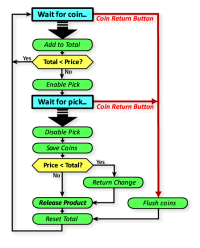 There’s a discussion that’s long lurked in a dusty corner of my thinking about computationalism. It involves the definition and role of algorithms. The definition isn’t particularly tricky, but the question of what fits that definition can be. Their role in our modern life is undeniably huge — algorithms control vast swaths of human experience.




 Logos con carne